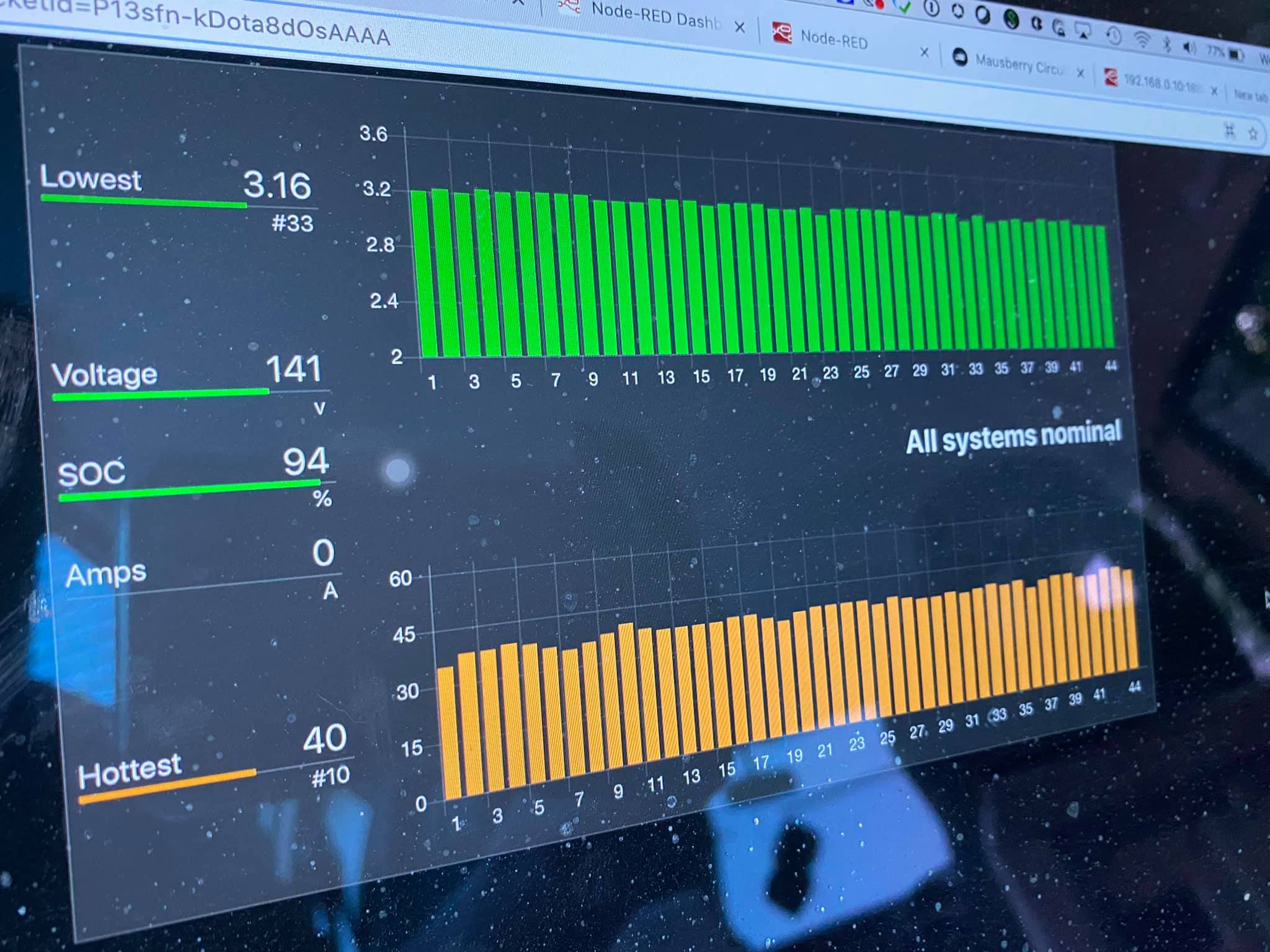
Tied the warning lamp to the “Gen” lamp on dash, so I get early warning of potential issues.
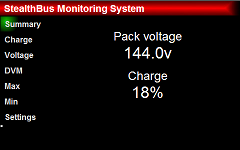
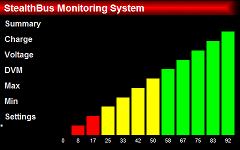
SOC output is connect to fuel gauge on dash, so I get 20%-100% aligned to E – F on the gauge. Never want to go below 20% SoC, but nice to know I have a couple of “limp” miles even at E.
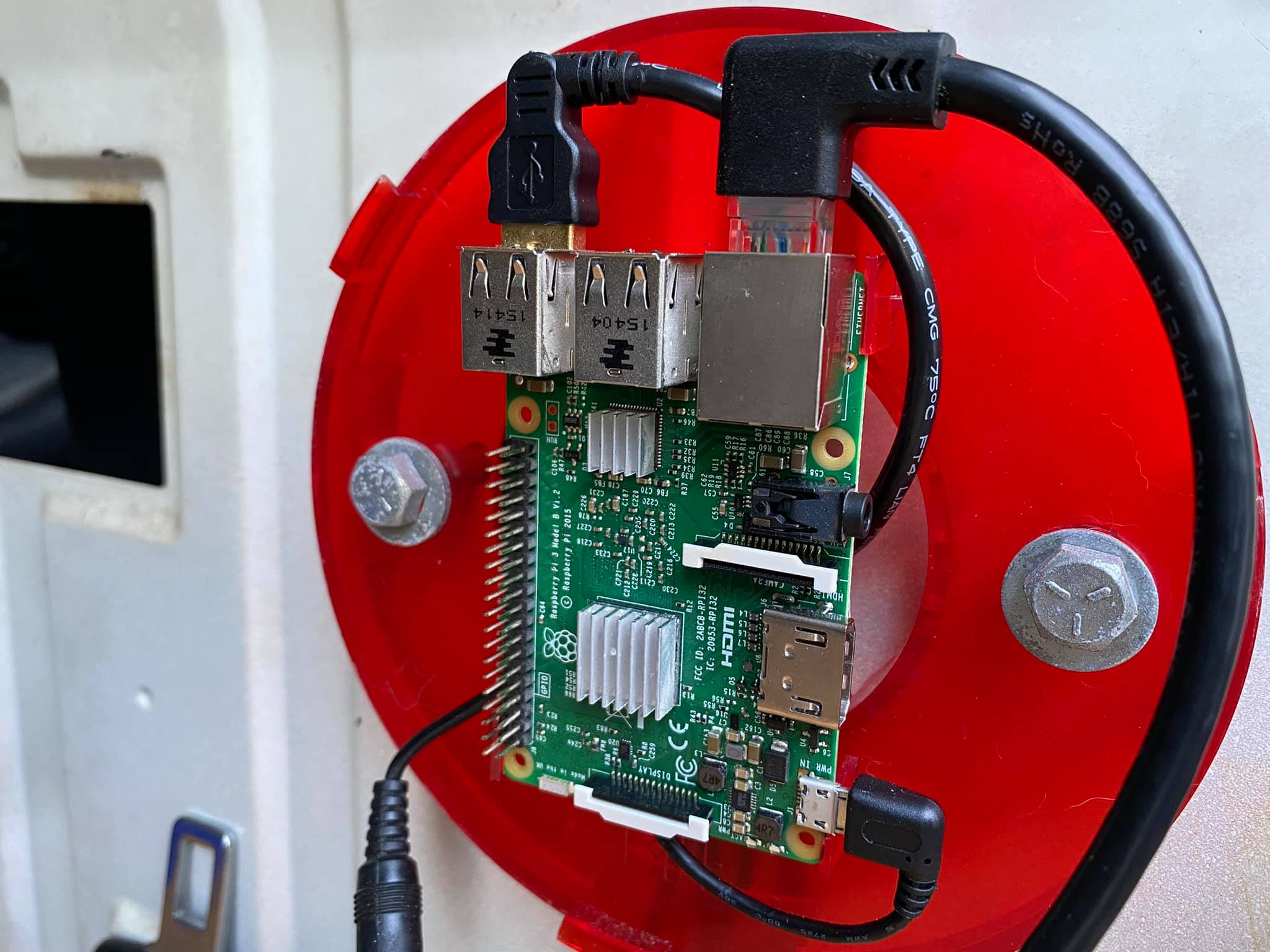
My legacy BMS (Home brew) is being upgraded – same principle but using Raspberry Pi reading the serial port of the Lithiumate.
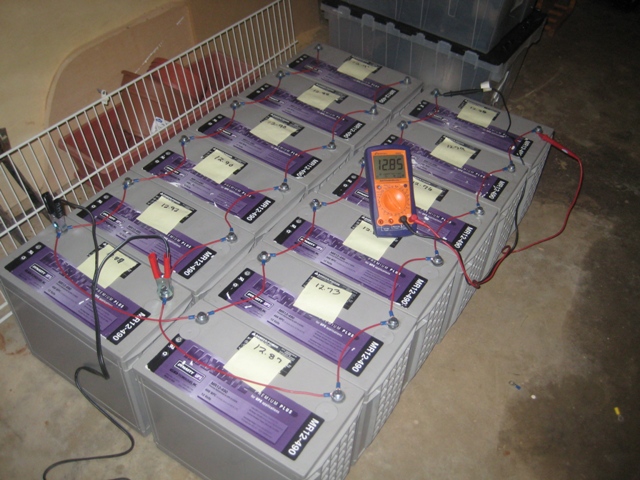
I started thinking about a faster method of monitoring the batteries, than the me with DVM on each battery. There are several commercial solutions out there, but they start in the $300 range for a basic system. For those kind of dollars some custom design options could be considered. Some Google research I found some existing projects that had build simple BMS systems for EVs:
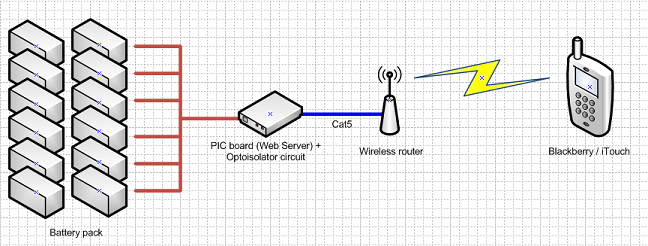
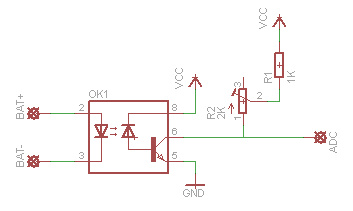
My idea was to try and build a simple monitoring device that would collect the data. Rather than build a custom module to be mounted in the card, I felt it would be nice to leverage other display devices I already own (~BlackBerry, iTouch, etc) which could be used for a variety of other purposes. The simple interface to such device is a basic web server and use the built in browser on the handheld device to display the data.
This approach has a number of advantages, it requires less engineering on the display side (just some basic web page design). It is also less expensive as the display device is always leveraged for other applications.
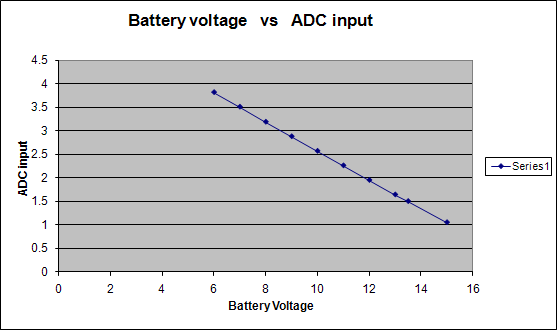
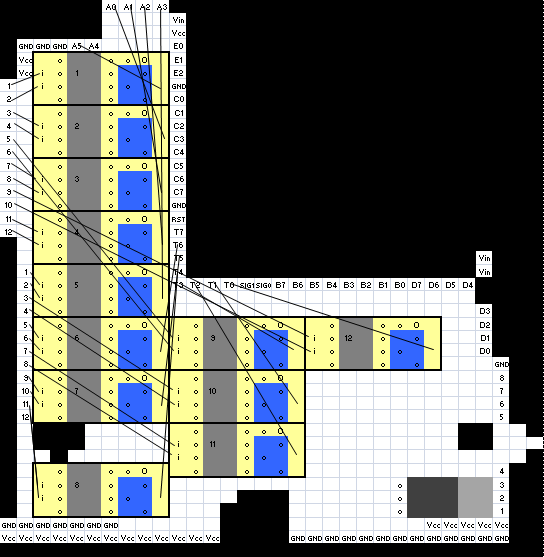
I found a basic PIC module for around $70 that has 12 ~ADCs, IP stack and even a web server demo application.
2 years of lead abuse and I’m down to probably 10 miles max range. Arriving at the office/home with major voltage sag <110v… 🙁 The batteries were at least 3 years old when I brought them, and in my original plan “buy a cheap set and run them into the ground” so I was expecting not to get this much out of them. In the mean time lithium packs have really started to look really good, very stable, very long life and best of all much lighter. So my plan for the second set is purchase a brand new lithium pack.
Specification
Current pack is 12 x 12v/138Ah Lead Acid weighing in at healthy 1200 lbs in total.
Per my EV calc model that gives me a 43.6 miles @ 30 mph, 25.7 miles @ 60 mph range.
The actual should be somewhere in between two (for commuting).
Experience has taught me 36 miles was the best range I ever got, and still arriving 80%, so it within the range.
For the purpose of comparison the relative range is the key factor, as long as the Li pack is equal or better we should be in good shape.
Cells
Volts/Cell
Pack
Capacity
Total
Weight
30 mph
60 mph
12
12v
144v
138 Ah
19.9 kWh
1200 lbs
43.6 miles
25.7 miles
48
3.2v
153.6v
100 Ah
15.3 kWh
370 lbs
48.5 miles
29.0 miles
48
3.2v
153.6v
160 Ah
24.6 kWh
571 lbs
74.0 miles
45.0 miles
48
3.2v
153.6v
200 Ah
30.6 kWh
686 lbs
90.5 miles
56.1 miles
So the 100Ah option should be equivalent to my existing Lead set up, two major factors here:
1, My research indicates that LiFEPO4 do not suffer that same Puekert effect that Lead so a Li pack of 60-70% stated capacity of a Lead pack should have the same performance – that checks out.
2. It weights 1/3 of the weight
The cost is more or less linear from 100Ah to 200Ah, and although it would be nice to have 80 mile range, my commute does not require it, so the more cost effective route is best for right now. As new battery technologies develop and as commercial offering expand I expect to be able to extend/replace the pack.
Weight
335lbs of Li vs 1200lbs of Lead… this can only be better me thinks…
Volume
Li 100Ah cell: W 7.1 x D 2.5 x H 8.6
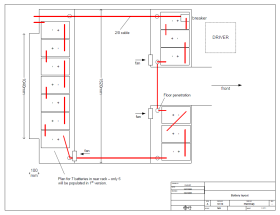
Rear battery rack is:-
Each battery is W 13.57 x D 6.63 x H 10.93
Total size is 13.57 x 39.78 x 10.93 = 5900.17 cu in.
Li Pack = 7327.2 cu in. (62% of lead pack)
Lead Pack = 11800.3 cu in.
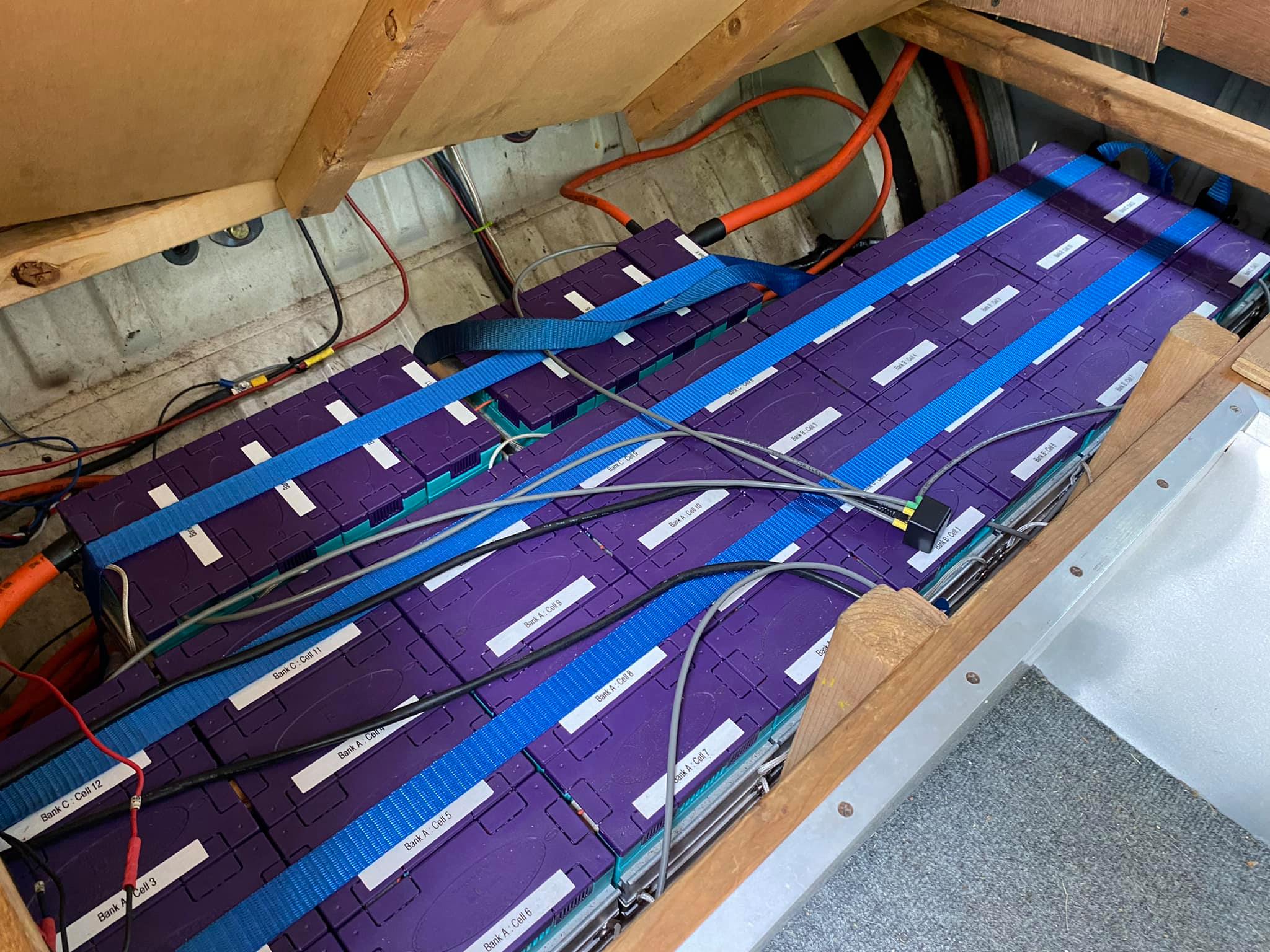
Will try and fit complete pack under back seat, so can re-purpose the table for cables/tools and behind the driver for a sub… maybe…
Purchased complete battery and BMS from evolve electics, based in Colorado.
Batteries
GBS 100Ah, come pre-strapped in blocks of 4 (12.8v), so 12 blocks of 4.
The part of the project that arguably could make or break it. I have thought up two approaches to this issue:
Buy the cheapest off the shelf batteries in Costco and experiment – run a series of on road tests and get and idea of range / capacity in the real world. From here I would have useful stats about increasing power / range.
Buy high end batteries (Trojan look good) then put some real effort into getting the battery design right – and try to get right first time.
Option 1, Costco batteries
Costco have a 12v / 115Ah Marine / Deep cycle battery for $84 – trying to determine the OEM so I can run the numbers with evconvert calculator.
Brought 2 x Costco batteries purchased for measurements / experimentation
Option 2, Using Trojan 6V
Requires 24 batteries @ $130 / each = $3,120
The most important consideration with the batteries is the potential range. I have settled on 144v in the previous discussion about controller and motor. Using 144v will drive using either 12 x 12v, 18 x 8v or 24 x 6v for the battery configuration.
Written by chivey on June 1, 2021 Tags: Battery, GBS
Range testing today ended probably the only way was going too… randomly loosing power to the control circuit just as we pulled into the liquor store… then dropping dead about a mile from home with a load sensor error. A sketchy tow home and now for some more diagnostics… current actual range is 25miles… that is about half the calculated range? Hmmm… To cap it off while chucking the ball for Bentley, somehow managed to hit the antenna and snap it clean off… bugger!
Written by chivey on May 20, 2021 Tags: Battery, GBS
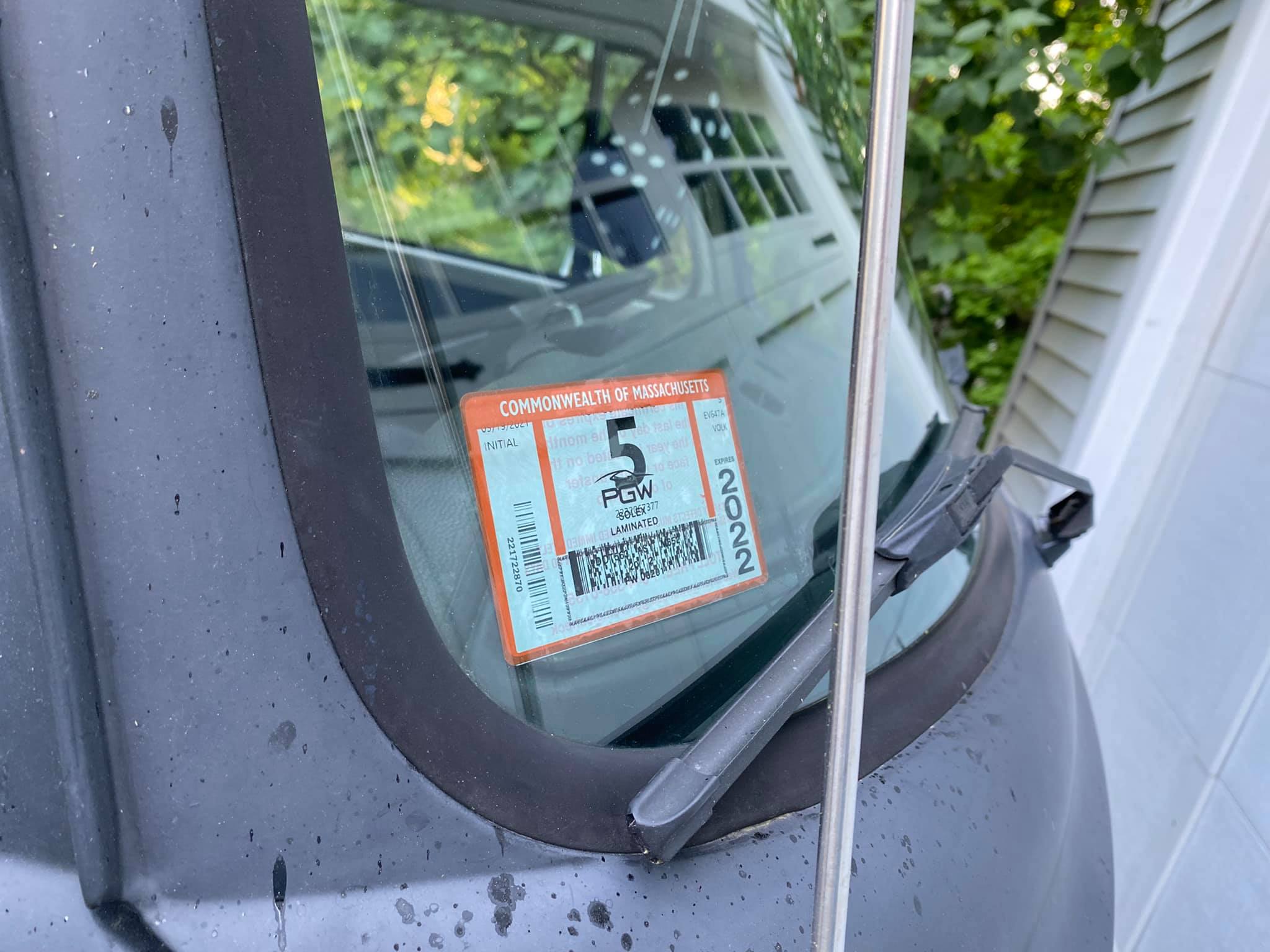
Removed the troublesome cells 40 and 44⦠rejigged the pack, adjusted settings on Soliton and BMS⦠Running much better! Have upgraded the monitoring system to automatically log data for offline analysis⦠and got the inspection done!!! Yayâ¦